The key point in Tanzania safari travel is that there is no “bad” season—only different experiences. The dry season enhances visibility and wildlife concentration, making it ideal for first-time visitors or those focused on big game viewing. The wet season, on the other hand, offers atmosphere, photography opportunities, and a deeper sense of wilderness solitude.
Wildlife is present year-round in all major parks, but its behavior changes with the environment. During dry months, animals gather in predictable locations. During wet months, they disperse across wide feeding grounds, following fresh vegetation and water availability.
This seasonal rhythm is what defines safari travel in Tanzania. It shapes everything—from where animals move, to how roads are accessed, to the overall mood of the wilderness. Understanding it allows travelers to choose not just a destination, but the type of experience they want to have.
Serengeti National Park
The Serengeti is Tanzania’s most famous safari destination and one of the most important wildlife ecosystems in the world. It forms part of the greater Serengeti–Maasai Mara ecosystem, where millions of wildebeest, zebras, and gazelles move in a continuous migration cycle driven by rainfall and grazing patterns.
The landscape is dominated by endless open plains, scattered acacia trees, and rocky granite outcrops known as kopjes. These features create ideal conditions for large-scale wildlife viewing, as visibility is often wide and uninterrupted.
The Serengeti is especially known for the Great Migration, a natural movement of herbivores that attracts predators such as lions, cheetahs, leopards, and hyenas. However, even outside migration periods, the park remains rich in wildlife throughout the year, including the Big Five species.
Visitors can expect long game drives across vast distances, early morning and late afternoon wildlife activity, and frequent encounters with large predator populations. The experience is often defined by scale—the sense of space, movement, and natural rhythm across an almost endless landscape.
🌋 Ngorongoro Conservation Area (Crater)
Ngorongoro is one of the most unique safari environments in Africa. It is centered around the Ngorongoro Crater, a collapsed volcanic caldera that has formed a self-contained ecosystem within steep crater walls.
The crater floor contains a mix of grasslands, lakes, swamps, and small forests, supporting a very high density of wildlife within a relatively small area. This makes it one of the easiest places in Tanzania to observe multiple species in a single day.
Ngorongoro is one of the few areas in East Africa where visitors have a strong chance of seeing the endangered black rhinoceros. Lions, elephants, buffalo, zebras, hippos, and flamingos are also commonly seen within the crater.
Unlike open savannah parks, Ngorongoro offers a more concentrated safari experience. Game viewing is often shorter in distance but very rich in variety. The surrounding highlands add a cooler climate and dramatic scenery, especially when viewed from the crater rim.
🐘 Tarangire National Park
Tarangire is often known for its strong elephant presence and distinctive landscape dominated by ancient baobab trees. The park is shaped by the Tarangire River, which acts as a vital water source during the dry season and attracts large concentrations of wildlife.
During dry months, Tarangire becomes a gathering point for elephants, wildebeest, zebras, and predators that follow seasonal water availability. Elephant herds here are often large and closely observed, offering one of the most reliable elephants viewing experiences in East Africa.
The park also supports a rich bird population, making it especially attractive for birdwatchers. The combination of river systems, woodlands, and open plains creates a varied safari environment that feels different from the Serengeti or Ngorongoro.
Visitors can expect a quieter and less crowded safari experience compared to other northern parks, with strong wildlife activity concentrated around key water sources.
🌴 Lake Manyara National Park
Lake Manyara is a compact but highly diverse park located at the base of the Great Rift Valley escarpment. Despite its smaller size, it contains multiple ecosystems, including groundwater forests, open lake shores, and acacia woodlands.
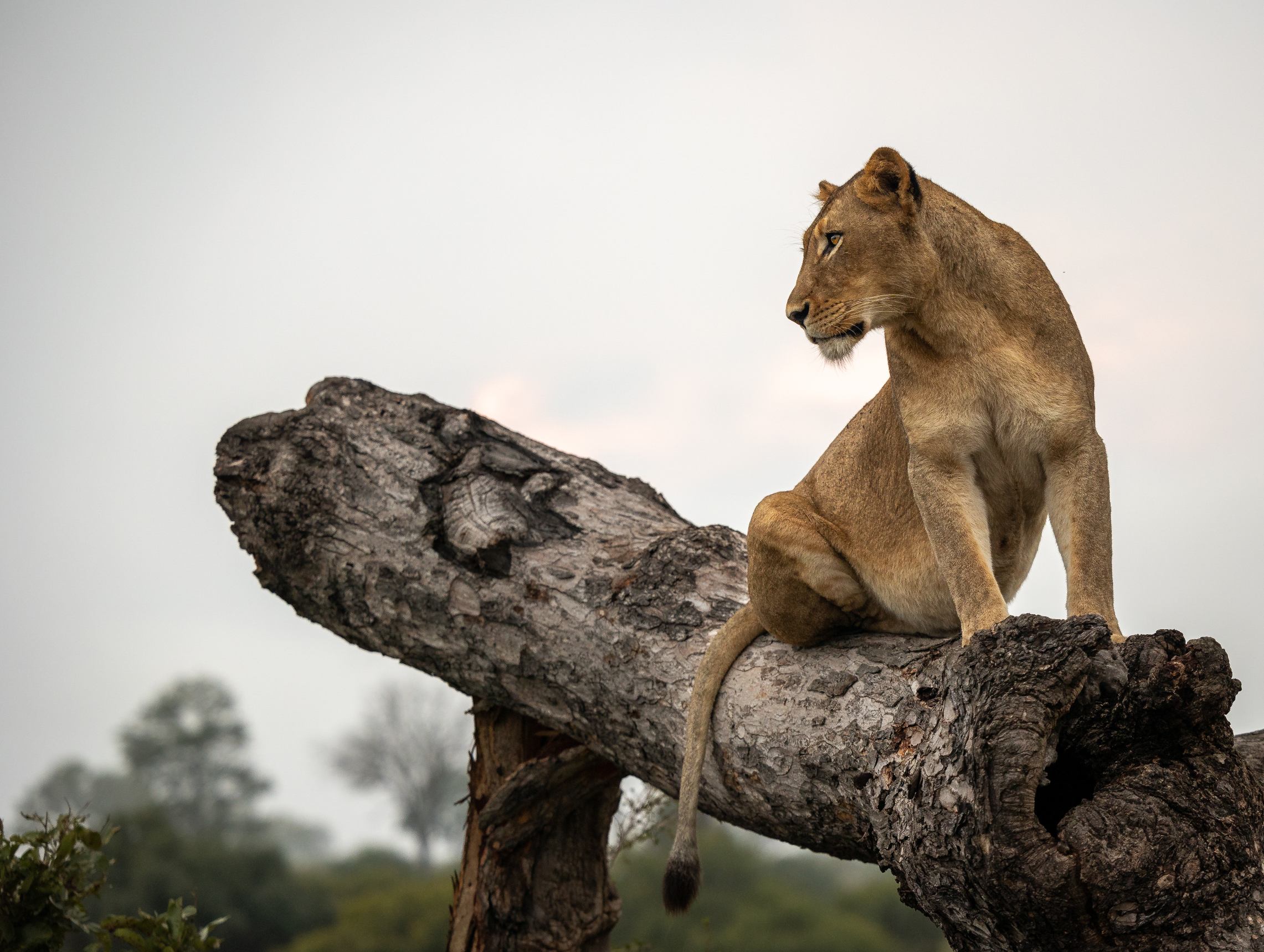
The park is particularly known for its tree-climbing lions, a rare behavioral adaptation observed in only a few locations in Africa. It also hosts large flocks of flamingos and a wide variety of other bird species, especially around the lake’s alkaline waters.
Lake Manyara offers a shorter but visually rich safari experience. Wildlife sightings are often complemented by dramatic scenery, including steep escarpments and dense green forests.
