VISION
To become Africa’s leading gateway to authentic wilderness experiences, where travelers connect deeply with nature, culture, and adventure through ranger-led journeys.
MISSION
Leading travelers along hidden trails across Tanzania, through the golden plains of Serengeti, beneath the shadow of Kilimanjaro, across wild horizons shaped by dust, wind, and ancient landscapes, and toward the untouched beauty of Zanzibar’s shores. Through authentic experiences, local expertise, safety, conservation, and genuine African hospitality, we transform every journey into a story of discovery, adventure, and connection with the spirit of Africa.
Our Story
At Ranger’s Trail Adventures, our journey did not begin in an office or a travel desk — it began with the footsteps of a ranger on the hidden trails of the African wilderness.
Days that start before sunrise, when the horizon is still quiet and the first light slowly touches the plains of Serengeti. Nights spent under open skies, where the wind carries the sounds of the wild and the land breathes in silence. Trails covered in drifting dust, leading through acacia woodlands, open savannahs, and remote landscapes far beyond the usual tourist routes. These are not just paths — they are ranger trails.
Founder Emmanuel Gwandu, a wildlife ranger and field guide from Tanzania, spent years working in these wild landscapes, learning how nature speaks through tracks, winds, seasons, and movements of animals. Along these journeys, one truth became clear:
Every trail has a story, and every story deserves to be experienced.
From this understanding, Ranger’s Trail Adventures was born — not as a standard tour company, but as a way to share the hidden side of Africa with the world.
A side where:
The sunrise over Kilimanjaro feels like standing above the world
The Serengeti horizon stretches endlessly into golden dust and moving herds
Zanzibar carries the rhythm of ocean winds and cultural history
And every journey becomes a connection between people and nature
We do not only guide travelers to destinations.
We invite them to step into the trail — to experience Africa the way a ranger does.
To feel the dust of the savannah.
To watch the sun-rise in silence over wild plains.
To listen to the wilderness, breathe at sunset.
And to discover the hidden spirit of Africa that cannot be seen on a map.
Because the trail is not just a path through nature.
It is a journey into discovery, adventure, and meaning.
Why Choose Us (Our Difference)
At Ranger’s Trail Adventures, we believe travel should be more than visiting places — it should be an experience shaped by knowledge of the land, respect for nature, and the spirit of true adventure.
What makes us different is not only where we take you, but how you experience it.
We are not just a tour company.
We are rangers, guides, and storytellers of the wild.
What sets us apart:
Ranger-Led Experience
Every journey is inspired by real ranger trails — routes shaped by years of wildlife tracking, conservation work, and field experience.
Authentic African Adventure
From the Serengeti plains to the slopes of Kilimanjaro and the shores of Zanzibar, we take you beyond tourist paths into real, untouched nature.
Hidden Trail Philosophy
We believe the best experiences are not always on the map. Some must be discovered step by step, like a ranger reading the land.
Safety & Professional Guidance
Your journey is guided with deep field knowledge, safety awareness, and responsible travel practices.
Connection with Nature
We do not rush experiences. We allow you to feel the sunrise, the dust, the silence, and the living rhythm of Africa.
Experiences (services)
-
Safari
A safari in Tanzania is not a fixed or predictable product—it is a journey shaped entirely by nature. Unlike many forms of travel, where experiences are controlled or scheduled, safari life follows ecological rhythms. Wildlife movement, landscape changes, and even accessibility of certain areas depend heavily on seasonal
climate patterns. Understanding these conditions is essential to appreciating how a safari works and what kind of experience a traveler can expect.
Climate and Seasonal Patterns
Tanzania’s safari regions generally experience a tropical climate, but it is strongly influenced by altitude and rainfall cycles rather than extreme temperature changes. Most national parks maintain warm daytime conditions throughout the year, with cooler mornings and evenings, especially in high-altitude areas such as Ngorongoro.
The year is broadly divided into two main seasons: the dry season and the wet season. Each creates a completely different safari atmosphere.
The dry season, typically from June to October, is considered the most stable period for wildlife viewing. During this time, vegetation becomes thinner and water sources shrink, causing animals to gather around rivers, lakes, and permanent waterholes. This natural concentration makes wildlife easier to locate and observe. Skies are usually clear, roads are more accessible, and game drives are generally more predictable. Early mornings can be cold, especially in open plains and crater highlands, but daytime conditions are comfortable and dry.
The wet season, from November to May, transforms the entire landscape. Rainfall brings new growth, turning savannahs into green, lush environments. This season is divided into short rains (around November to December) and long rains (March to May). While wildlife is more dispersed and sometimes harder to locate due to dense vegetation, the wet season offers its own advantages. It is the period of birthing for many herbivores, especially in the Serengeti ecosystem, and the scenery becomes dramatically beautiful, with fewer tourists in most parks.
High Season and Low Season in Safari Travel
Safari tourism in Tanzania follows natural wildlife patterns and international travel demand, creating what is commonly referred to as high and low seasons.
The high season generally aligns with the dry months from June to October, and also includes parts of December and January due to holiday travel. During this period, parks are more active with visitors, and accommodation demand is higher. The experience is characterized by excellent wildlife visibility, stable weather conditions, and well-established safari logistics. However, popular areas can feel busier, and early booking is often required.
The low or green season occurs mainly during the long rains between March and May. This is the quietest period in most parks. While travel conditions can be more challenging due to rain and muddy tracks, it is also the most peaceful time to experience the wilderness. Landscapes are at their most vibrant, birdlife is abundant, and tourism pressure is minimal, allowing for a more private and reflective safari experience.
The short rainy period in November and early December is often considered a transitional phase. It brings fresh greenery and scattered showers but still allows for good travel conditions in most regions.
🐾 What These Seasons Mean for Safari Experience
The key point in Tanzania safari travel is that there is no “bad” season—only different experiences. The dry season enhances visibility and wildlife concentration, making it ideal for first-time visitors or those focused on big game viewing. The wet season, on the other hand, offers atmosphere, photography opportunities, and a deeper sense of wilderness solitude.
Wildlife is present year-round in all major parks, but its behavior changes with the environment. During dry months, animals gather in predictable locations. During wet months, they disperse across wide feeding grounds, following fresh vegetation and water availability.
This seasonal rhythm is what defines safari travel in Tanzania. It shapes everything—from where animals move, to how roads are accessed, to the overall mood of the wilderness. Understanding it allows travelers to choose not just a destination, but the type of experience they want to have.
Serengeti National Park
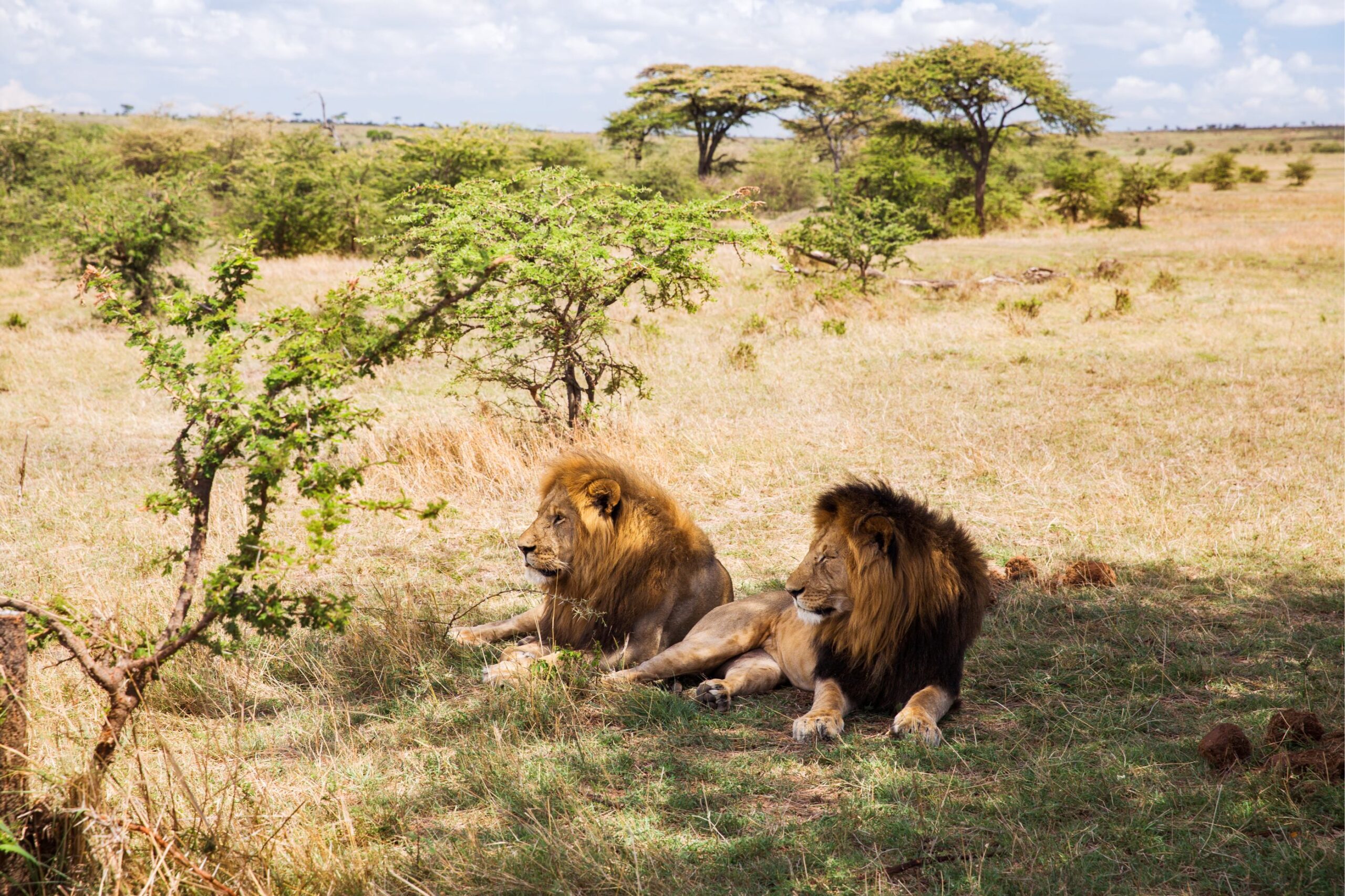
The Serengeti is Tanzania’s most famous safari destination and one of the most important wildlife ecosystems in the world. It forms part of the greater Serengeti–Maasai Mara ecosystem, where millions of wildebeest, zebras, and gazelles move in a continuous migration cycle driven by rainfall and grazing patterns.
The landscape is dominated by endless open plains, scattered acacia trees, and rocky granite outcrops known as kopjes. These features create ideal conditions for large-scale wildlife viewing, as visibility is often wide and uninterrupted.
The Serengeti is especially known for the Great Migration, a natural movement of herbivores that attracts predators such as lions, cheetahs, leopards, and hyenas. However, even outside migration periods, the park remains rich in wildlife throughout the year, including the Big Five species.
Visitors can expect long game drives across vast distances, early morning and late afternoon wildlife activity, and frequent encounters with large predator populations. The experience is often defined by scale—the sense of space, movement, and natural rhythm across an almost endless landscape.
🌋 Ngorongoro Conservation Area (Crater)
Ngorongoro is one of the most unique safari environments in Africa. It is centered around the Ngorongoro Crater, a collapsed volcanic caldera that has formed a self-contained ecosystem within steep crater walls.
The crater floor contains a mix of grasslands, lakes, swamps, and small forests, supporting a very high density of wildlife within a relatively small area. This makes it one of the easiest places in Tanzania to observe multiple species in a single day.
Ngorongoro is one of the few areas in East Africa where visitors have a strong chance of seeing the endangered black rhinoceros. Lions, elephants, buffalo, zebras, hippos, and flamingos are also commonly seen within the crater.
Unlike open savannah parks, Ngorongoro offers a more concentrated safari experience. Game viewing is often shorter in distance but very rich in variety. The surrounding highlands add a cooler climate and dramatic scenery, especially when viewed from the crater rim.
🐘 Tarangire National Park
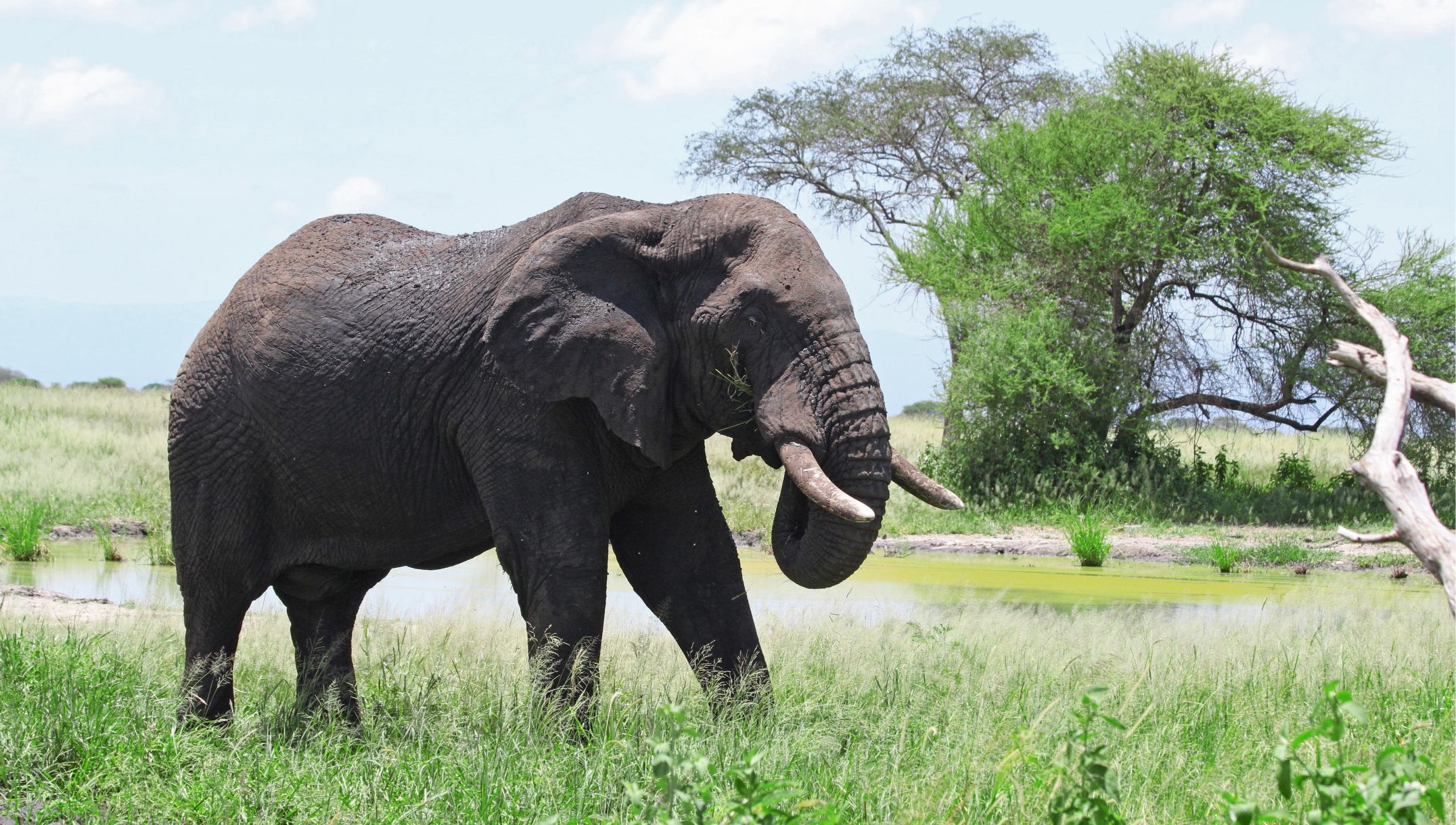
Tarangire is often known for its strong elephant presence and distinctive landscape dominated by ancient baobab trees. The park is shaped by the Tarangire River, which acts as a vital water source during the dry season and attracts large concentrations of wildlife.
During dry months, Tarangire becomes a gathering point for elephants, wildebeest, zebras, and predators that follow seasonal water availability. Elephant herds here are often large and closely observed, offering one of the most reliable elephants viewing experiences in East Africa.
The park also supports a rich bird population, making it especially attractive for birdwatchers. The combination of river systems, woodlands, and open plains creates a varied safari environment that feels different from the Serengeti or Ngorongoro.
Visitors can expect a quieter and less crowded safari experience compared to other northern parks, with strong wildlife activity concentrated around key water sources.
🌴 Lake Manyara National Park
Lake Manyara is a compact but highly diverse park located at the base of the Great Rift Valley escarpment. Despite its smaller size, it contains multiple ecosystems, including groundwater forests, open lake shores, and acacia woodlands.
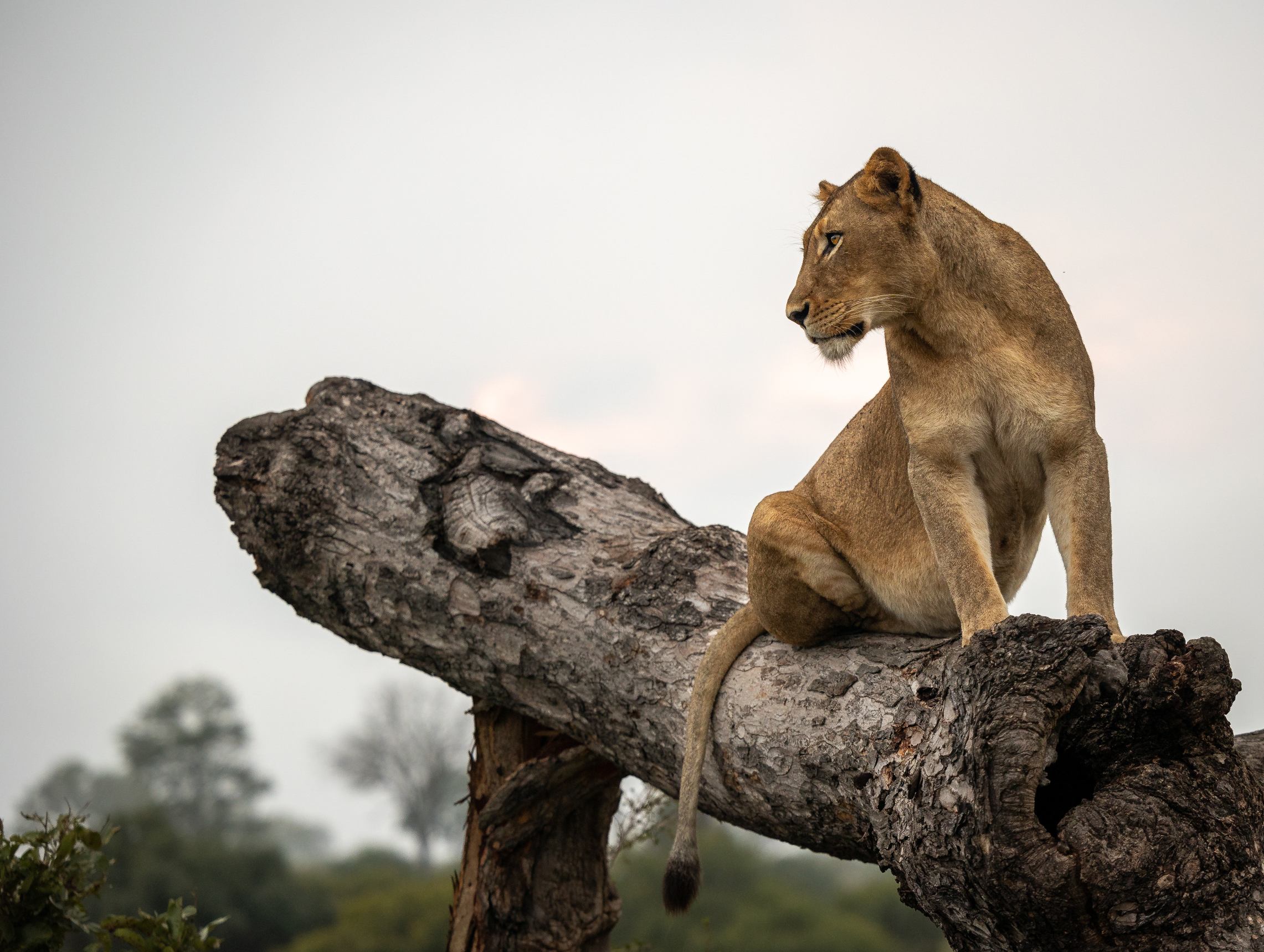
The park is particularly known for its tree-climbing lions, a rare behavioral adaptation observed in only a few locations in Africa. It also hosts large flocks of flamingos and a wide variety of other bird species, especially around the lake’s alkaline waters.
Lake Manyara offers a shorter but visually rich safari experience. Wildlife sightings are often complemented by dramatic scenery, including steep escarpments and dense green forests.
🛡️ Important Things to Consider When Planning a Safari in Tanzania
Planning a safari involves more than choosing national parks and accommodation. Because safari travel takes place across remote wilderness areas and often includes long-distance movement between regions, proper preparation helps ensure that the experience remains smooth, comfortable, and safe. Understanding practical travel requirements before arrival also helps travelers avoid unnecessary stress during the journey.
🛂 Visa and Entry Requirements
Most international travelers visiting Tanzania require a tourist visa. In many cases, visas can be obtained either online through the official immigration system or upon arrival at major international airports such as Kilimanjaro International Airport, Julius Nyerere International Airport, and Zanzibar International Airport.
Requirements may vary depending on nationality, length of stay, and travel purpose, so travelers are generally encouraged to confirm current regulations before departure. Passports should normally remain valid for at least six months beyond the intended travel date.
For travelers combining mainland Tanzania with Zanzibar, no additional visa is required, as both are part of the United Republic of Tanzania.
🏥 Travel Insurance and Medical Preparation
Travel insurance is one of the most important preparations for a safari, especially for travelers visiting remote areas or combining safari with activities such as mountain trekking.
A comprehensive insurance policy should ideally include:
Medical treatment and emergency assistance
Evacuation coverage
Trip cancellation or interruption
Lost luggage or delayed travel support
Although major safari routes are well established, distances between parks can be long, and some areas are far from urban medical facilities. Insurance provides reassurance in situations involving illness, injury, or unexpected travel changes.
Travelers are also advised to carry personal medication and basic medical necessities, especially if they require specific prescriptions.
💉 Health Considerations Before Travel
Health preparation depends partly on travel region and season. Some visitors consult travel clinics before arrival regarding recommended vaccinations or preventive medication.
Malaria prevention is commonly discussed for East African travel, particularly for lowland and coastal areas. Travelers often use mosquito repellent, lightweight long-sleeved clothing during evenings, and mosquito nets where provided.
Drinking water during safari activities is usually supplied in bottled or filtered form, and visitors are generally advised to stay hydrated due to long hours outdoors and exposure to sun.
🛡️ Is Safari in Tanzania Safe?
Tanzania is widely considered one of the safer safari destinations in Africa, particularly within established tourism areas and national park systems. Safari operations are highly regulated, and guides are trained to manage wildlife environments responsibly.
During game drives, visitors remain inside safari vehicles except in specifically designated areas. Wildlife behavior is well understood by professional guides, and animals generally do not view safari vehicles as threats when proper distance and park regulations are respected.
Safety on safari depends largely on following guide instructions, especially around wildlife, camp areas, and park boundaries. Basic travel awareness—similar to any international destination—is still important in cities and public areas, but safari tourism itself is generally organized with strong emphasis on visitor safety.
🚙 Transportation and Road Conditions
Safari travel often involves long driving distances between parks. Northern Tanzania’s safari circuit is connected by both paved and rough roads, and travel times can sometimes be longer than expected due to terrain and wildlife conditions.
Most safaris use specially designed 4×4 vehicles with elevated seating and pop-up roofs for wildlife viewing. Road conditions vary depending on weather and season, particularly during heavy rains.
In some itineraries, domestic flights are used to reduce travel time between distant regions such as Serengeti, Zanzibar, or southern parks.
🏨 Accommodation Expectations
Safari accommodation in Tanzania ranges from basic campsites to luxury lodges. However, even high-end safari properties are usually designed to maintain connection with the surrounding environment rather than isolate guests from nature.
In remote areas, electricity may rely partly on generators or solar systems, and internet connectivity can sometimes be limited. This is normal in many wilderness locations and often becomes part of the safari atmosphere itself.
Nighttime sounds such as insects, hyenas, or distant lions are common in tented camps and lodges located near wildlife areas.
⏰ Timing and Daily Safari Routine
Safari schedules are usually built around wildlife activity patterns rather than conventional tourist timing. Early mornings are often the most productive for animal movement and predator behavior, which means many game drives begin shortly after sunrise.
Afternoons are generally quieter due to heat, followed by increased wildlife activity during evening hours. Some itineraries include full-day game drives with picnic lunches inside the parks, while others return to camp during midday rest periods.
Travelers should expect flexible timing because wildlife movement cannot be controlled or predicted precisely.
🌍 Respecting Nature and Conservation Areas
National parks in Tanzania operate under strict conservation principles intended to protect wildlife and ecosystems. Visitors are expected to follow park regulations, remain on designated tracks, avoid littering, and minimize disturbance to animals.
Safari travel is not only recreational—it also contributes to conservation funding, wildlife protection, and local employment within tourism regions.
Understanding this conservation role helps visitors appreciate that safari environments are living ecosystems rather than entertainment spaces.
👕 What to Wear on Safari: Clothing, Comfort, and Practical Preparation
Clothing plays an important role in the overall safari experience, not for fashion purposes, but for comfort, weather protection, and practicality in changing outdoor conditions. Safari travel often involves early morning departures, long hours inside vehicles, exposure to sun, dust, wind, and sometimes cooler temperatures at higher altitudes. Dressing appropriately helps travelers remain comfortable throughout the journey while adapting to different environments and times of day.
🌿 Understanding Safari Conditions Before Packing
One of the most common misconceptions about safari travel is that temperatures remain constantly hot. In reality, conditions can change significantly between morning and afternoon, especially in regions such as Ngorongoro Highlands where early temperatures can feel surprisingly cold.
Game drives frequently begin before sunrise, when temperatures are lower and wind exposure inside open safari vehicles can feel strong. Midday conditions, however, may become warm and dry, particularly in open savannah areas such as Serengeti or Tarangire.
For this reason, safari clothing is usually based on layering rather than heavy or overly thick outfits.
🎨 Why Neutral Colors Are Recommended
Safari environments are natural ecosystems where blending into surroundings is generally preferred. Neutral earth-tone colors such as khaki, beige, olive, brown, and light green are commonly recommended because they are practical in outdoor conditions and less visually disruptive in wildlife areas.
Bright colors are not necessarily prohibited in most parks, but strong neon shades may attract insects in some regions and are less practical in dusty environments. White clothing can become dirty quickly due to dust, while very dark clothing may absorb more heat during sunny conditions.
Camouflage-style military patterns are also generally avoided in several African countries because they may be associated with military or security uniforms.
The goal of safari dressing is usually simplicity, comfort, and practicality rather than appearance.
👕 Recommended Clothing for Safari
Lightweight and breathable clothing is generally the most comfortable option during daytime game drives. Long-sleeved shirts and lightweight trousers are often preferred because they provide protection from sun exposure, dust, insects, and cooler evening conditions without becoming excessively hot.
For early morning drives and crater regions, a light fleece jacket or windbreaker is often useful. Temperatures inside Ngorongoro Crater or high-altitude lodges can feel cold before sunrise, especially during dry season months.
Comfortable walking shoes or lightweight hiking shoes are usually sufficient for most safaris, since much of the experience takes place inside vehicles. However, stronger footwear may become useful in camps, walking safaris, or uneven lodge terrain.
A wide-brimmed hat, sunglasses, and sunscreen are also important due to prolonged exposure to sunlight during open-vehicle game drives.
🧳 Practical Packing Considerations
Packing for safari is usually easier when kept simple and functional. Soft travel bags are often preferred over large hard-shell suitcases, especially on small safari aircraft or in compact vehicle storage spaces.
Dust is common during dry season safaris, so travelers often carry:
Light scarves or buffs for dusty roads
Small backpacks for daily essentials
Reusable water bottles
Camera protection bags or lens cloths
Power banks and universal travel adapters are also useful, particularly in remote camps where charging access may be limited during certain hours.
Laundry services are available in many lodges and camps, reducing the need to pack excessive clothing for longer safaris.
🌧️ Dressing During Wet Season Safaris
Wet season conditions require slightly different preparation. Although temperatures often remain warm, occasional rain showers and muddy conditions become more common, particularly during long rains.
A lightweight waterproof jacket or rain shell is usually sufficient rather than heavy rain gear. Shoes with better grip may also become useful in camp areas or during walking activities.
Despite rainfall, the wet season still includes many sunny periods, so travelers should continue preparing for sun exposure alongside rain protection.
📸 Clothing and Photography Considerations
For photography-focused safaris, neutral colors are often preferred not only for practicality but also because they reduce reflections and visual distraction during wildlife observation.
Loose and quiet fabrics are generally more comfortable inside vehicles during long drives. Clothing with multiple pockets can also help carry small accessories such as batteries, lens cloths, notebooks, or binoculars.
The safari environment is usually informal, and practicality tends to matter more than style. Most travelers naturally shift toward comfortable outdoor clothing after the first days in the field.
🌍 Comfort Matters More Than Appearance
Perhaps the most important thing to understand about safari clothing is that comfort directly affects the experience itself. Long drives, changing weather, and outdoor conditions become far more enjoyable when travelers are dressed appropriately.
Safari preparation is therefore less about dressing for photographs and more about adapting to nature respectfully and comfortably. The best safari clothing is usually simple, breathable, flexible, and suited to long hours in changing environments.
